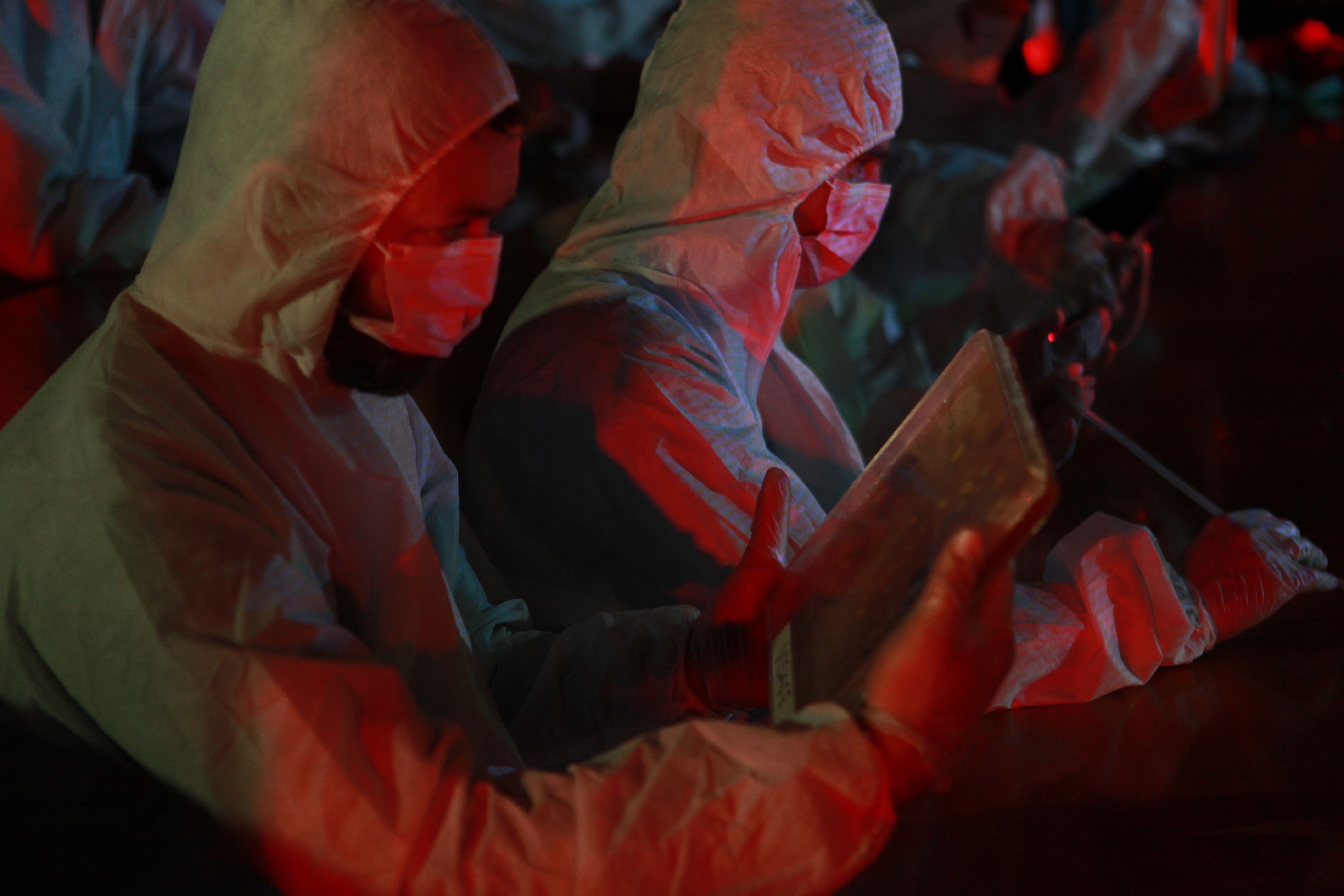
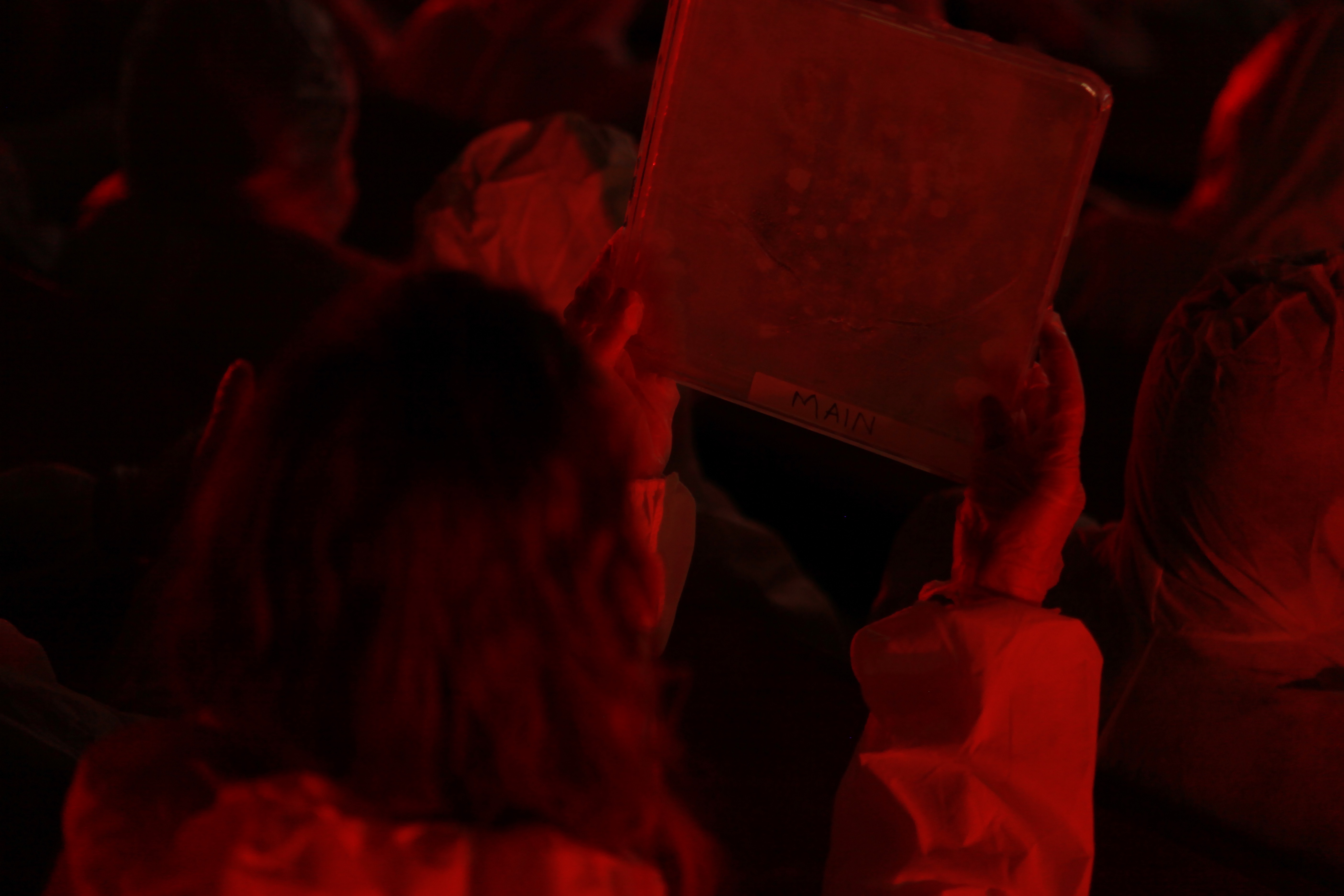
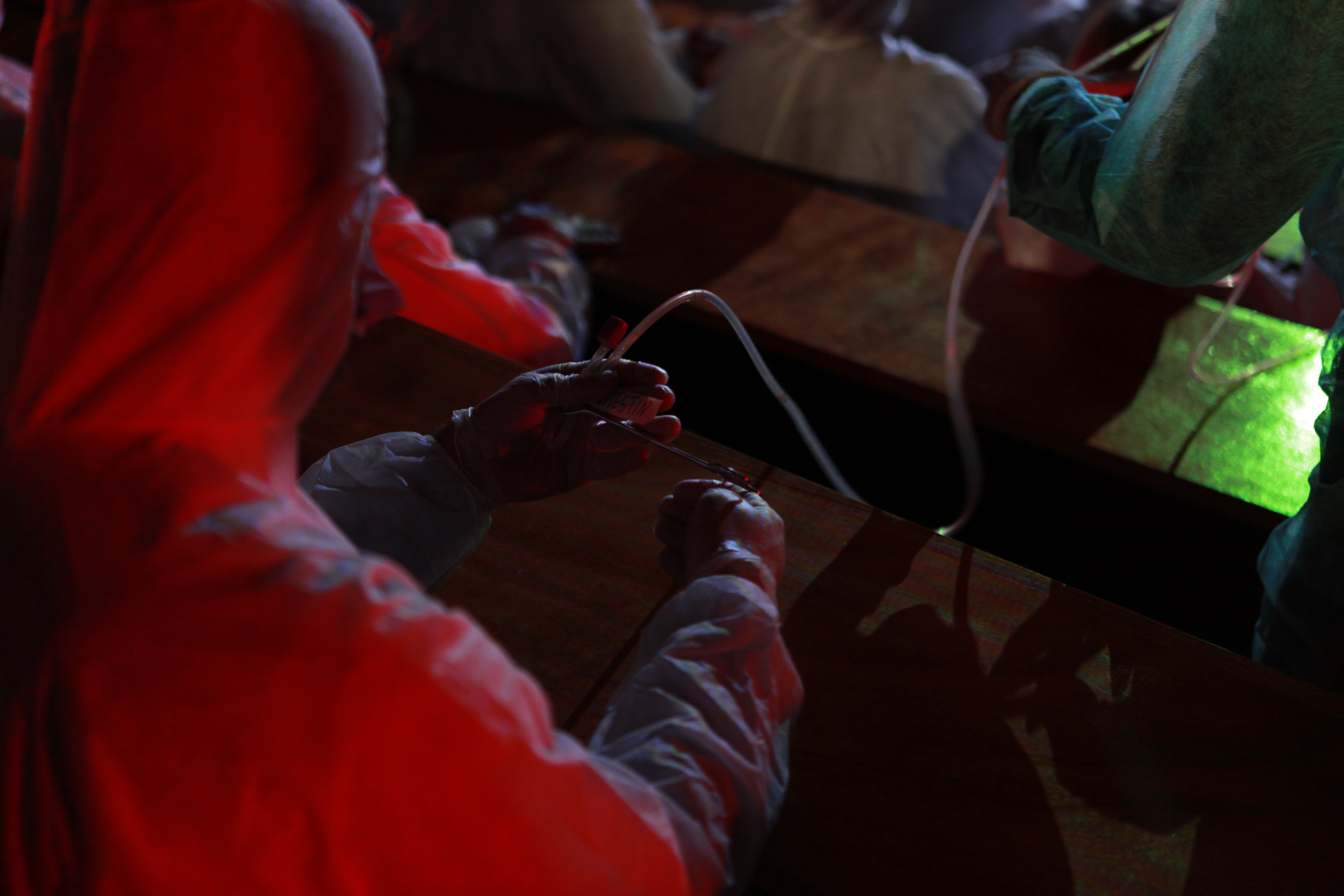
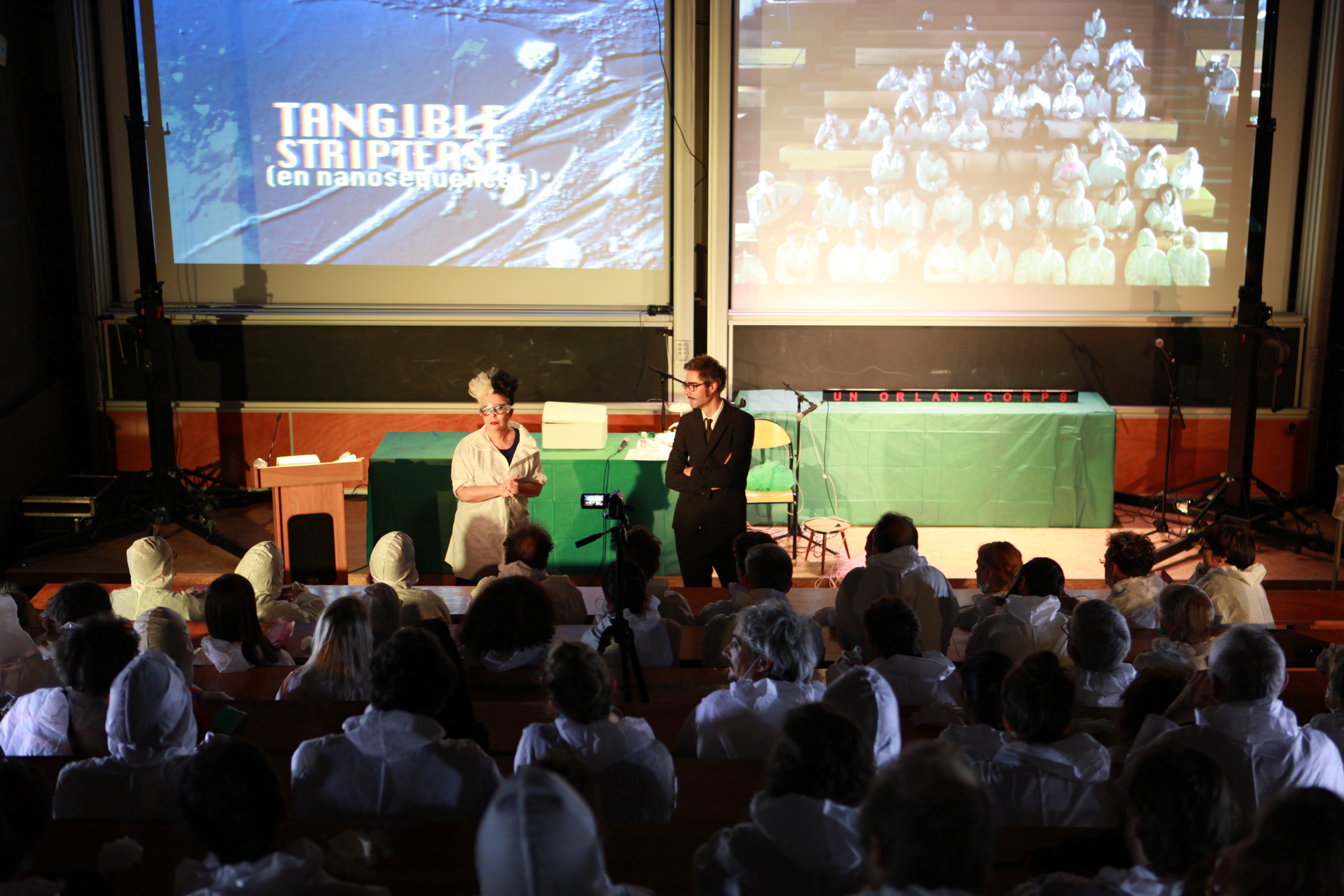
Tangible Striptease in Nanosequences, Center des Arts, Enghien-les-Bains, Paris-Diderot University, Paris, France, 2016
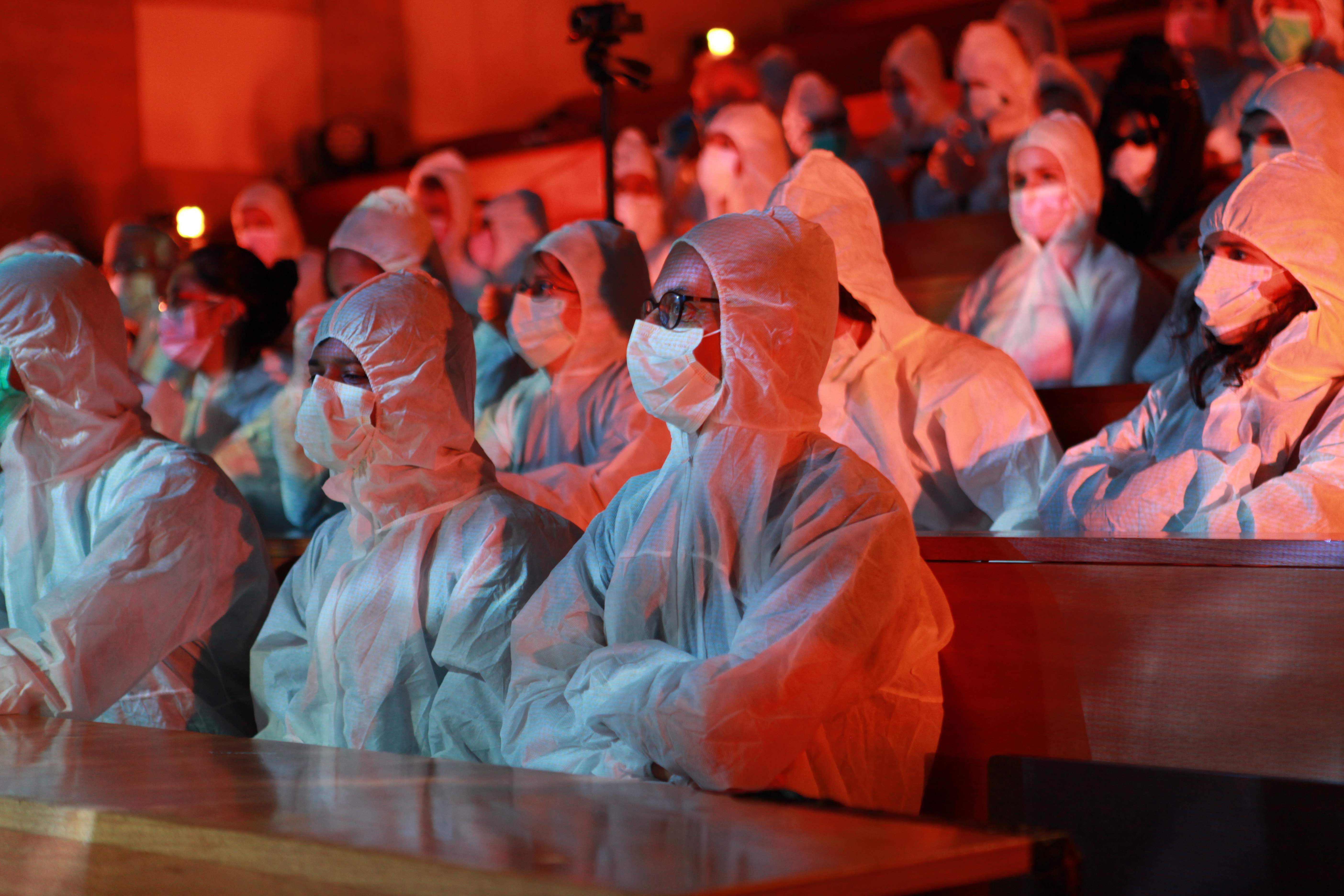
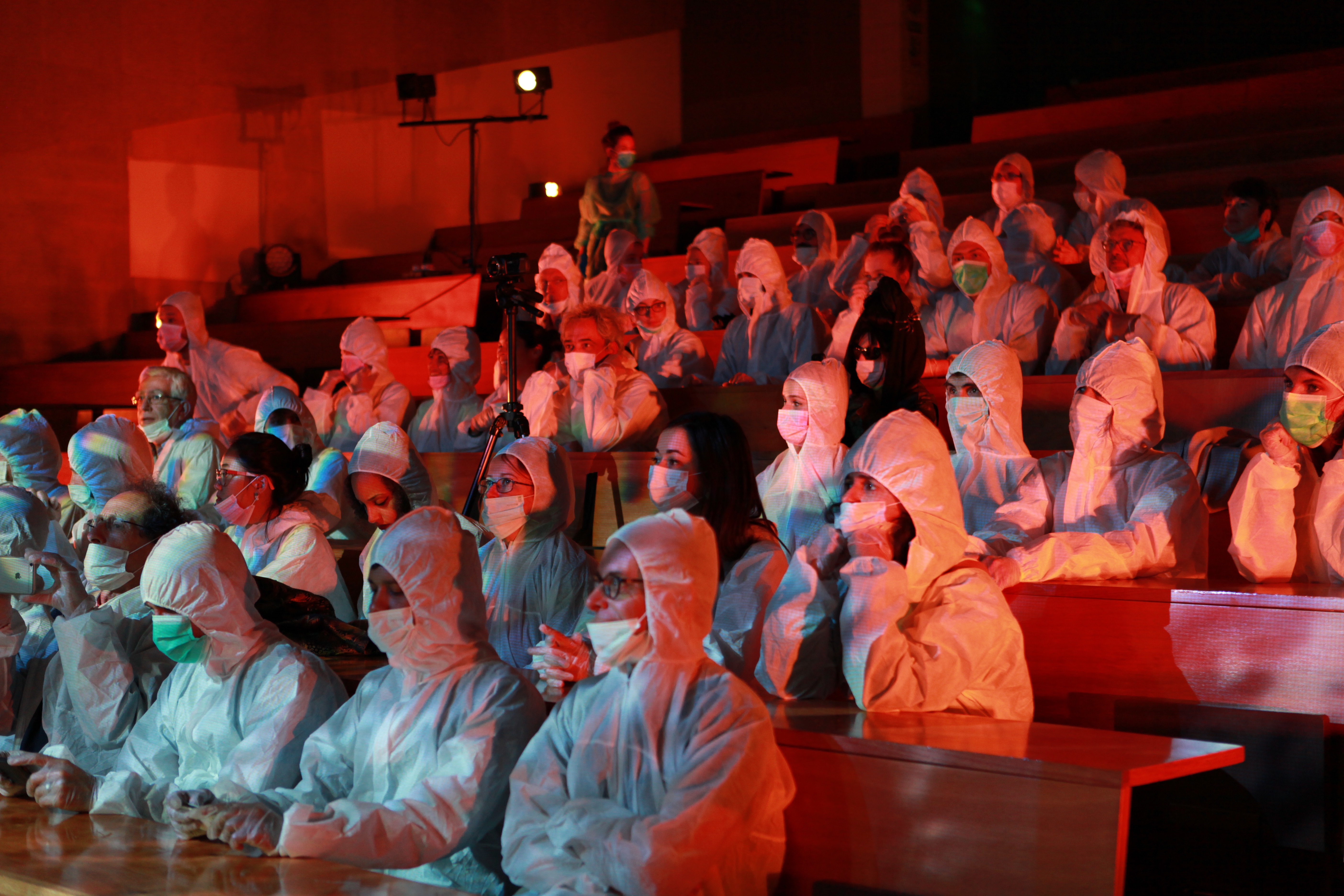
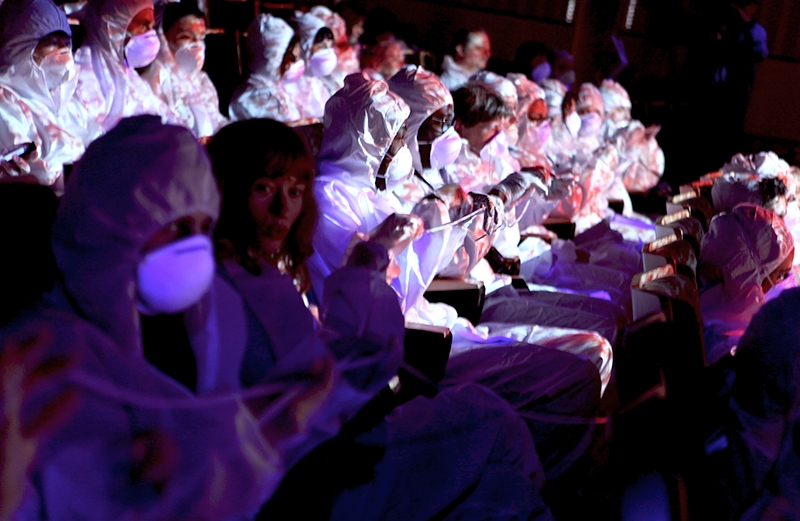
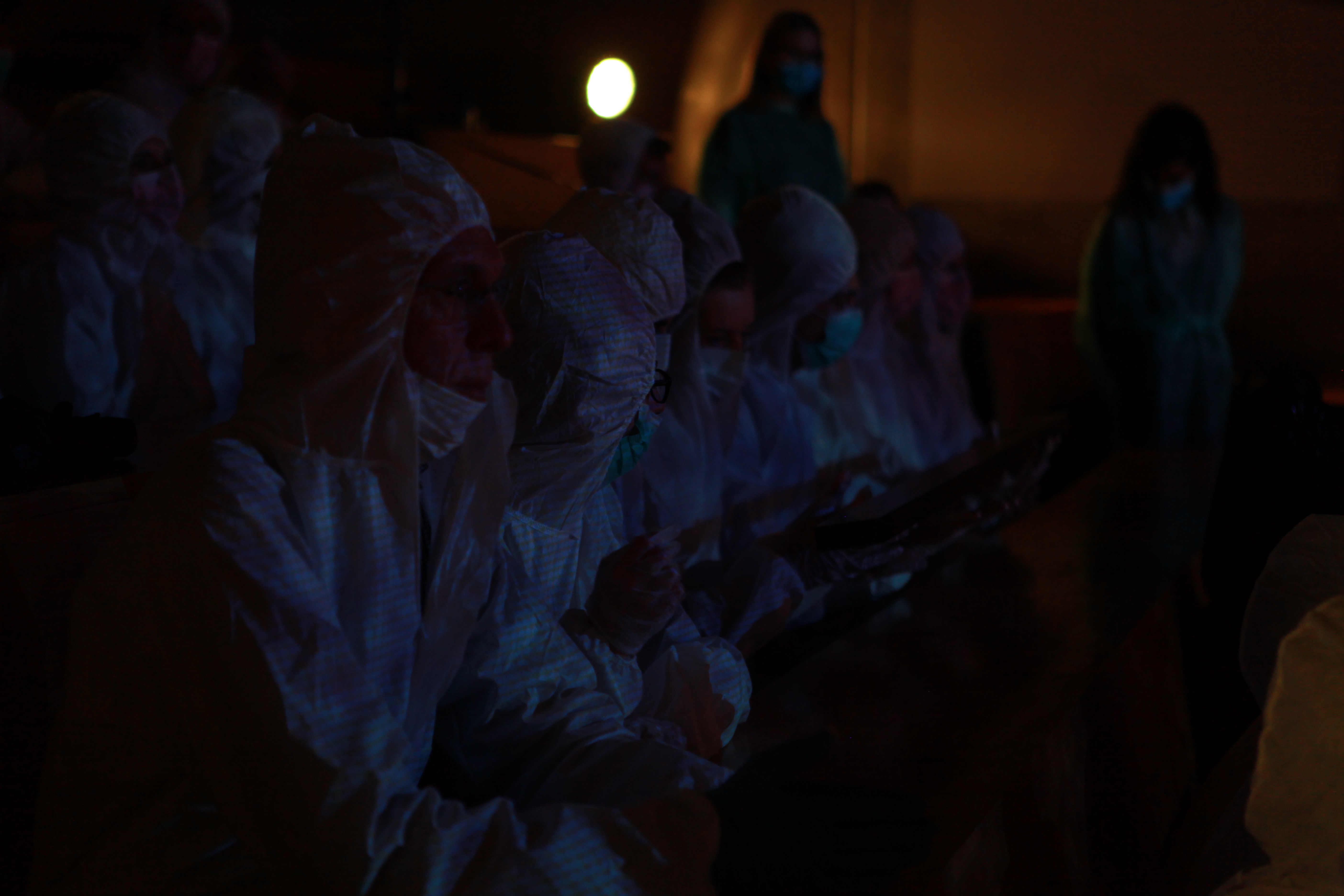
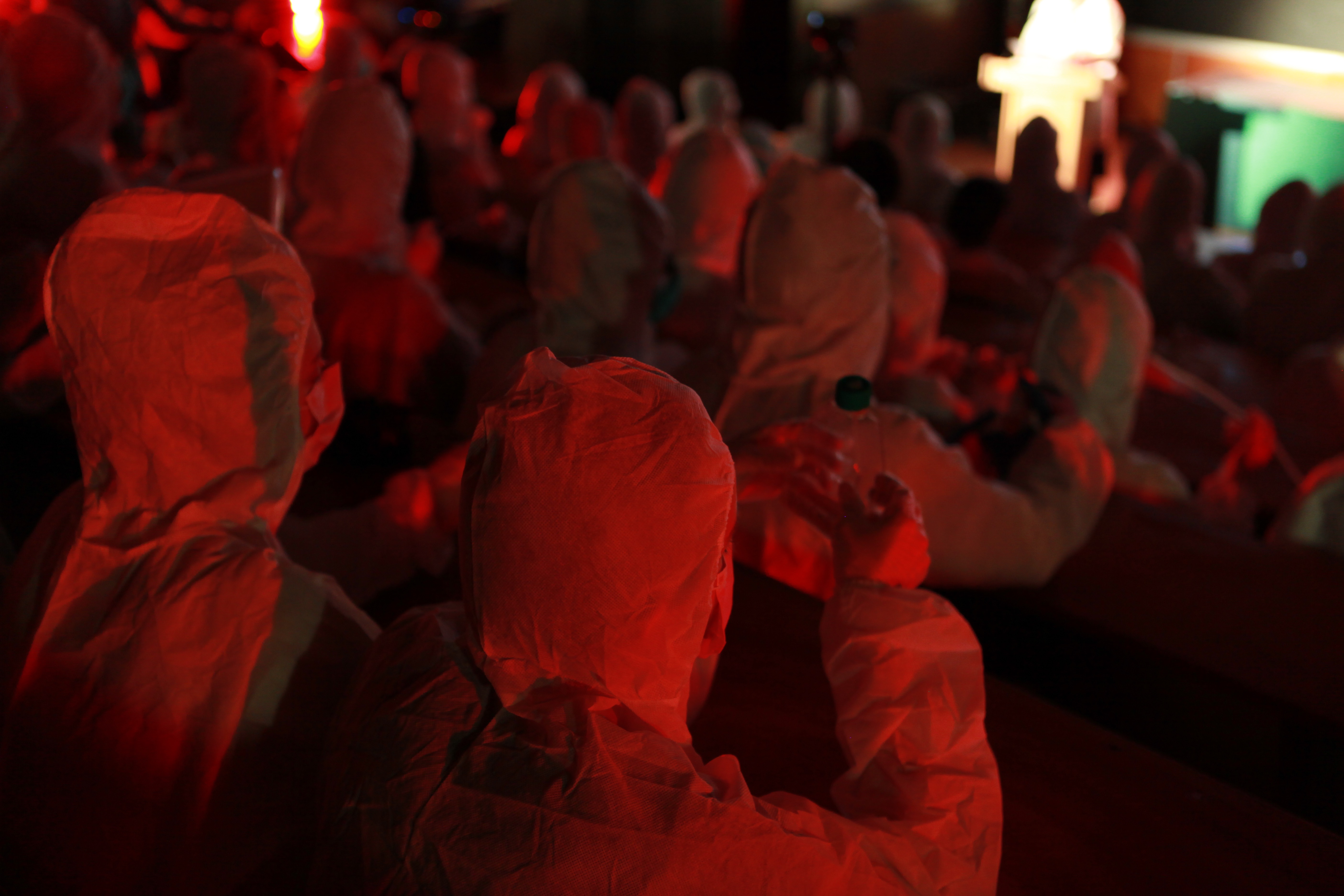
ORLAN performs ” Tangible striptease en nanoséquences” at the Centre des Arts d’Enghien-les-Bains and Université Paris Diderot on Thursday, June 02, 2016 as part of the Bains Numériques festival. She works with Mael Le Mée and Sup’Biotech.
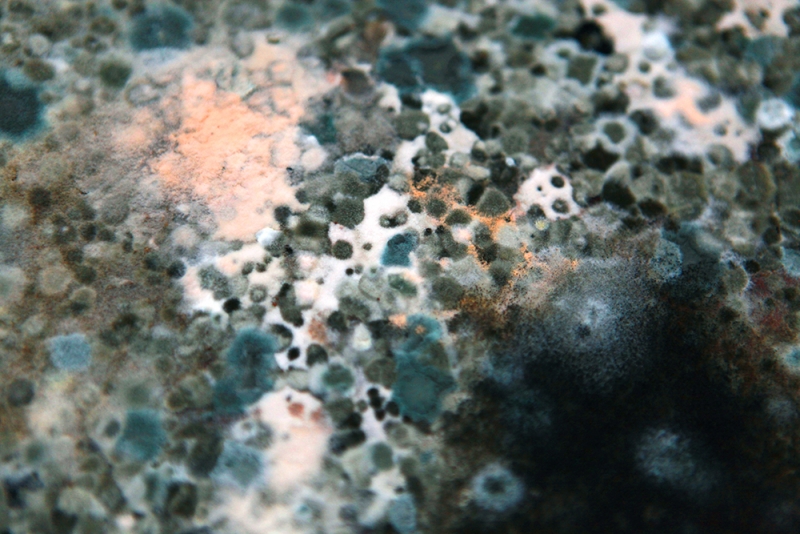
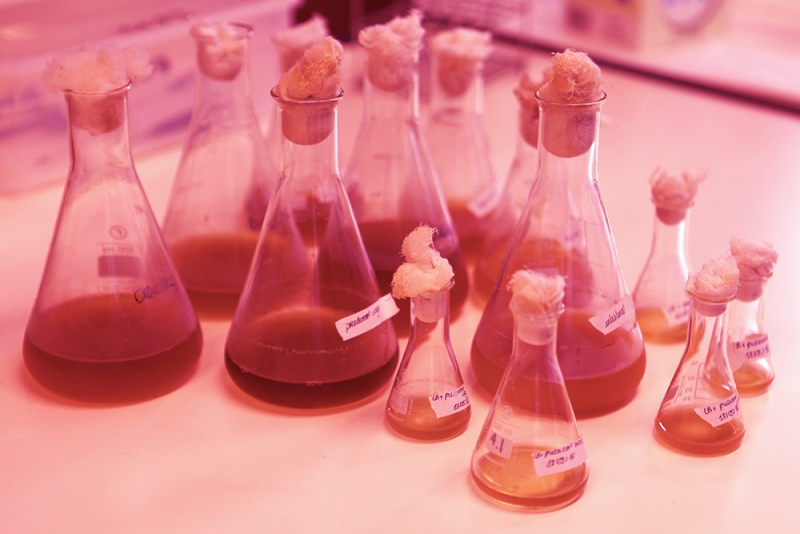
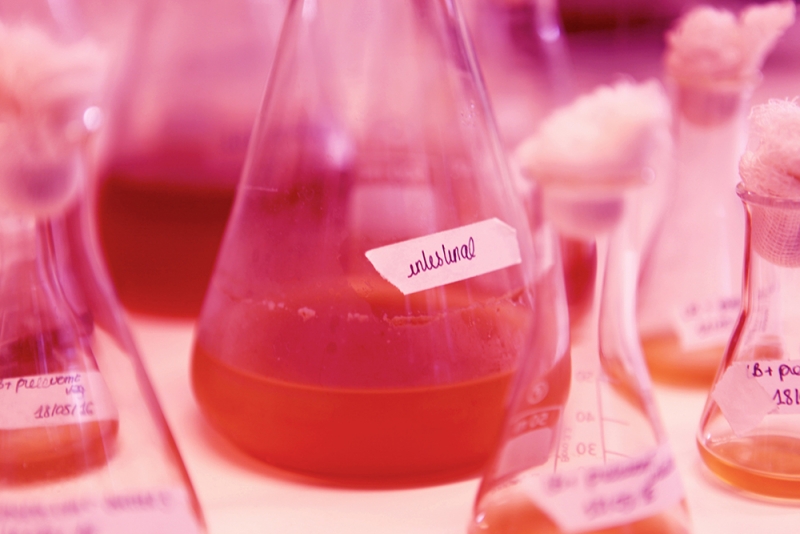
This work is a self-portrait in the form of a biotechnological performance, a snapshot of a biological moment. In this digital experience, the ORLAN-CORPS is measured by the public’s finger and eye through the mediation of the bacteria that live there in symbiosis, co-authors of all human identity. What we now call the microbiota. ORLAN-CORPS becomes a public space for a “nanoscale striptease”. ORLAN cultivates its oral, vaginal and intestinal flora.
ORLAN wishes to demonstrate that, for a woman, striptease is an “impossible”, because they cannot undress us from all the images that dress them and all the fantasies, all the standards of beauty, all the a priori that cover them and prevent them from being seen. These are leaden garments that stick to the skin and act as a screen.
Harlequin’s Coat, FACT (Foundation for Art and Creative Technology), 2015, Liverpool
This work in progress, created in 2007 and exhibited several times, combines video projections of ORLAN’s cells collected during the Biopsie performance and combined with those of other human and animal strains, petri dishes and a bioreactor enabling the in vitro culture of these cells. ORLAN created this work with Jens Hauser and a laboratory that kept cells alive.
ORLAN created a transparent bioreactor that simulates the Harlequin’s head, showing the red liquid feeding the cells and the three polymers to which they were attached. It was as if a moving face agitated the liquid.
Inside the fluorescent Plexiglas Harlequin coat, with one side fluorescing yellow and the other red, were Petri dishes designed to hold polymers and dead cells.
This installation questions the fragility of life by showing living, dead and dying cells, and projections representing cells in these different states. The cells raised in the bioreactor are defenseless, without immunity, and those that survive the longest are the youngest and strongest. We’re a long way from hybridization.
Biospy, The Harlequin Coat, School of Anatomy and Human Biology, Laboratory SymbioticA, Perth University, Australia 2007
In the preface to Tiers-instruit, entitled “Laïcité”, Michel Serres describes the Harlequin who, having gradually removed all his layers of patchwork clothing during a round-the-world tour, presents a skin that is also in patchwork form. ORLAN was greatly inspired by this work, which she will read during the Biopsie performance.
This performance in the form of a medical intervention was realized in 2007, when ORLAN was invited for a three-month residency at the University of Perth in Australia, where they created the SymbioticA laboratory through Oron Catts and Ionat Zurr in the Department of Human Anatomy and Biology, in collaboration with BioArt technician Jens Hauser.
The staging was minimal: around the hospital bed on which ORLAN lay, dressed in harlequin cloth, were two sheets of the same fabric, one velvet and the other satin.
A diamond-shaped incision was made in the groin crease by burn surgeon Fiona Wood.
Following this medical intervention, the installation “Le manteau d’Arlequin” was created.